The Mindful Sobriety Movement Reshaping Alcohol Culture in 2025
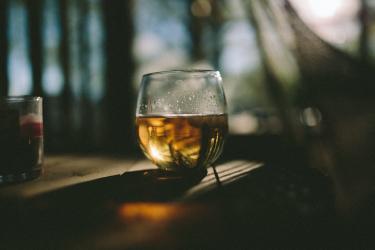
Something interesting happened at my friend’s birthday party last month. Out of twelve people there, six were drinking sparkling water or mocktails. Nobody made a big deal about it. Nobody asked awkward questions - it just… was.
This shift didn’t happen overnight. But in 2025, choosing not to drink alcohol has become genuinely unremarkable in ways it never was before.
What Mindful Sobriety Actually Means
Forget everything you think you know about “quitting drinking. " Mindful sobriety isn’t about addiction recovery or white-knuckling through social events. It’s a conscious choice to examine your relationship with alcohol and decide what role-if any-you want it to play in your life.
The term covers a spectrum - some people go completely alcohol-free. Others drink occasionally but with intention. Many fall somewhere in between, taking extended breaks or limiting consumption to specific occasions.
What connects them - awareness. They’re paying attention to why they drink, how it affects them, and whether it aligns with how they want to feel.
A 2024 Gallup poll found that 62% of Americans under 35 consider themselves “sober curious”-meaning they’ve actively questioned their drinking habits. That’s up from 41% in 2021. The numbers tell a story, but they don’t capture the cultural momentum behind them.
Why Now? The Perfect Storm
Several forces converged to make 2025 the tipping point.
**Mental health awareness reached critical mass. ** After years of openly discussing anxiety, depression, and burnout, people started connecting dots. That Sunday scaries feeling - often worse after drinking. The 3 AM wake-up with racing thoughts? Alcohol disrupts sleep architecture for up to three days. Once you know these things, you can’t unknow them.
**The wellness industry pivoted hard. ** What started with boutique fitness studios offering “dry January” challenges evolved into year-round programming. Meditation apps added alcohol-free modules. Life coaches built entire practices around sober-curious clients. The infrastructure for support expanded rapidly.
**Social proof hit mainstream. ** When celebrities, athletes, and influencers started talking openly about choosing sobriety for performance and mental clarity-not because of rock-bottom moments-it normalized the conversation. Suddenly, not drinking could be aspirational rather than remedial.
**And honestly? Gen Z just isn’t that into it. ** Data consistently shows younger generations drink less than their predecessors did at the same age. They grew up watching millennials’ wine culture with something like skepticism. For many of them, alcohol never became a default.
The Mental Clarity Piece
Here’s what nobody tells you about reducing or eliminating alcohol: the cognitive effects are more dramatic than most people expect.
I talked to a therapist who specializes in mindful sobriety, and she described it this way: “Most of my clients come in expecting better sleep and fewer hangovers. What surprises them is the emotional regulation. They suddenly have access to a wider range of responses to stress.
Think about it. Alcohol is a depressant that affects your prefrontal cortex-the part handling decision-making, impulse control, and emotional processing. Even moderate drinking creates subtle cognitive impacts that persist between sessions.
People who go alcohol-free often report:
- Sharper focus during work hours
- Better emotional resilience under pressure
- More vivid dreams and improved sleep quality
- Reduced baseline anxiety
- Clearer sense of their own feelings
None of this means alcohol is terrible for everyone. But the mental clarity benefits are real, and they’re driving much of this movement.
Practical Ways People Are Approaching This
Not everyone wants to quit drinking forever. The mindful sobriety movement embraces that reality.
**The experiment method. ** Take 30, 60, or 90 days completely off. Not as a challenge or punishment-as genuine curiosity. How do you feel - what changes? What do you miss - what don’t you miss? Use that data to decide what comes next.
**Occasion-based drinking. ** Some people reserve alcohol for genuinely special events-a wedding toast, a milestone celebration. Everything else gets a mocktail or nothing. This removes the daily decision fatigue.
**The two-drink maximum. ** For those who enjoy drinking but want guardrails, hard limits work. Not “I’ll try to stop at two” but “two is my number, period. " Having a predetermined boundary reduces the mental negotiation.
**Complete abstinence. ** Some people find moderation more exhausting than elimination. If that’s you, going fully alcohol-free removes all the gray areas.
There’s no hierarchy here. What works depends on your goals, your history, and your honest assessment of your own patterns.
The Social Dynamics Are Changing
Remember when ordering a club soda meant fielding twenty questions? That’s fading - bars and restaurants have adapted. The non-alcoholic beverage market hit $13 billion globally in 2024, and quality improved dramatically. You can get a genuinely sophisticated zero-proof cocktail at most decent establishments now.
But the bigger shift is cultural. Peer pressure around drinking has decreased substantially, especially among younger demographics. “I’m not drinking tonight” increasingly gets met with “cool” rather than interrogation.
That said, challenges remain. Work events, family gatherings, certain friend groups-alcohol culture persists in pockets. Having a response ready helps. “I feel better when I don’t” works for most situations. You don’t owe anyone a detailed explanation.
What This Means for Wellness Culture
Mindful sobriety fits neatly into broader wellness trends. It connects to the sleep optimization movement, the mental health destigmatization effort, the longevity-focused biohacking community. All these currents flow in the same direction: people taking active control of their wellbeing rather than defaulting to cultural norms.
Life coaches report seeing more clients whose primary goal is building an intentional relationship with alcohol. Meditation teachers incorporate awareness practices specifically around craving and habit loops. Therapists notice that clients who address their drinking often unlock progress in other areas.
This isn’t about perfection or purity. It’s about consciousness. Choosing what you consume and why, rather than operating on autopilot.
The Road Ahead
Will this trend continue - probably. The forces driving it-mental health awareness, wellness culture, generational shifts-show no signs of reversing. If anything, they’re intensifying.
But predictions aside, here’s what matters: you get to decide your own relationship with alcohol. Not your parents’ expectations, not social pressure, not habit. You.
Maybe that means staying exactly where you are. Maybe it means experimenting with a month off. Maybe it means something more significant. Whatever you choose, the cultural permission to make that choice consciously-without judgment or explanation-is more available now than ever before.
And that shift, regardless of what you personally decide about drinking, feels like progress.