Meditation's Hidden Side Effects and Safety Concerns
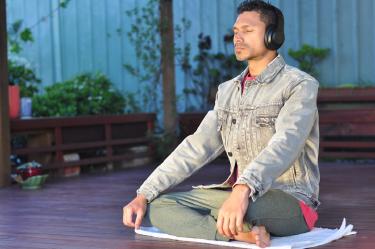
You’ve probably heard countless people sing meditation’s praises. It reduces stress, improves focus, helps you sleep better. And look, those benefits are real for many people. But here’s what nobody talks about at your local yoga studio: meditation isn’t always sunshine and inner peace.
Some people experience genuine adverse effects. We’re talking anxiety spikes, emotional instability, even dissociation. If you’ve ever felt worse after meditating, you’re not imagining things.
When Sitting Still Makes Things Worse
Researchers at Brown University surveyed over 1,200 meditators and found something surprising. About 25% reported at least one negative experience during their practice. That’s one in four people.
What kind of negative experiences? The list is longer than you’d expect:
- Increased anxiety or panic attacks
- Depersonalization (feeling detached from yourself)
- Emotional numbness or flatness
- Traumatic memory resurfacing
- Sleep disturbances
- Physical pain or discomfort
Dr. Willoughby Britton runs the Clinical and Affective Neuroscience Laboratory at Brown. She’s been documenting these effects for years. Her research shows that intensive meditation retreats carry higher risks, especially for people with trauma histories or certain mental health conditions.
The thing is, meditation changes your nervous system. That’s the whole point. But those changes don’t always feel good, especially when they happen quickly.
Your Nervous System Isn’t a Light Switch
Meditation impacts your autonomic nervous system-the part that controls breathing, heart rate, and stress responses. When you meditate regularly, you’re essentially training this system to operate differently.
For some people, this recalibration goes smoothly. For others - not so much.
Think about it this way: if you’ve spent years in fight-or-flight mode, suddenly dropping into deep relaxation can feel threatening to your system. Your brain might interpret the unfamiliar calm as danger. Sounds backwards, but your nervous system doesn’t always know the difference between unfamiliar and unsafe.
This explains why people with PTSD or anxiety disorders sometimes experience symptom flare-ups when they start meditating. Their nervous systems are already on high alert. Meditation can temporarily amplify that vigilance before it settles.
The Retreat Reality Nobody Mentions
Ten-day silent meditation retreats have become trendy. People treat them like spiritual boot camps. But here’s what the glossy Instagram posts don’t show you.
Extended intensive meditation can trigger what researchers call “meditation-related adverse effects. " These aren’t minor inconveniences. We’re talking about experiences that sometimes require psychiatric intervention.
A 2022 study published in Clinical Psychological Science found that 8% of people at meditation retreats experienced profound adverse effects serious enough to impair daily functioning. The most common issues were:
- Intrusive thoughts they couldn’t control
- Severe emotional distress
- Changes in sense of self or reality
- Motor control problems
Most of these resolved within weeks or months. But some people struggled for years.
Does this mean retreats are dangerous? Not necessarily. But it does mean they’re not appropriate for everyone, especially beginners or people managing mental health conditions.
Who Should Be Extra Careful?
Certain groups face higher risks. If any of these describe you, talk to a mental health professional before diving into intensive practice:
Trauma survivors: Meditation can bring suppressed memories to the surface before you’re ready to process them. This isn’t healing-it’s retraumatization.
People with psychosis or schizophrenia: Meditation can blur the boundaries between internal and external reality. That’s problematic when you already struggle with those distinctions.
Those with severe anxiety or depression: Sitting with your thoughts sounds therapeutic. Sometimes it just amplifies rumination and negative thinking patterns.
Individuals with dissociative disorders: Meditation encourages detachment from thoughts and sensations. If you already dissociate, this can worsen symptoms.
None of this means meditation is off-limits. But it does mean you need proper guidance and realistic expectations.
The Safety Conversation We Should Be Having
The meditation industry has a problem. It markets mindfulness as a universal cure-all with zero downsides. That’s not just misleading-it’s potentially harmful.
Reputable meditation teachers and therapists are starting to change the conversation. They’re acknowledging that contemplative practices are powerful psychological interventions, not just relaxation techniques.
Dr. Jared Lindahl, who co-authored the Brown University study, puts it bluntly: “We wouldn’t tell someone to take a pharmaceutical without informing them of potential side effects. Why do we do that with meditation?
Good question.
If you’re working with a meditation teacher or therapist, they should ask about your mental health history. They should warn you about potential difficulties. And they should provide clear guidance on what to do if problems arise.
If they’re not doing these things, find someone else.
Making Meditation Safer
You don’t have to give up on meditation entirely. You just need to be smarter about it.
**Start small. ** Five minutes daily beats hour-long sessions that overwhelm your nervous system. Gradual exposure gives your brain time to adapt.
**Choose your style carefully. ** Focused attention practices (like breath counting) tend to be gentler than open awareness or body scanning for beginners.
**Have an exit strategy. ** If distress comes up during meditation, know what you’ll do. Open your eyes - stand up. Go for a walk. You don’t have to push through.
**Work with professionals. ** A qualified therapist who understands both meditation and mental health can help you navigate difficulties safely.
**Listen to your body. ** If meditation consistently makes you feel worse, that’s data. Honor it. Maybe this isn’t your path right now, and that’s okay.
The Bottom Line
Meditation can be incredibly beneficial. The research supporting its positive effects is solid. But it’s not risk-free, and it’s not right for everyone in every situation.
The goal here isn’t to scare you away from meditation. It’s to encourage informed consent. You deserve to know what you’re getting into, including potential downsides.
Your mental health matters more than any practice. If meditation helps, great. If it doesn’t, or if it makes things worse, you’re not failing. You’re gathering important information about what your nervous system needs.
Sometimes the most mindful thing you can do is recognize that mindfulness itself isn’t the answer.