Meditation Apps Lower Blood Pressure in 5 Minutes Daily
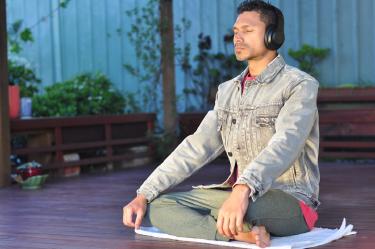
You know that feeling when you check your blood pressure at the pharmacy and the numbers make you wince? Yeah, me too. But here’s something that might surprise you: spending just five minutes a day with a meditation app could actually help bring those numbers down.
Sounds too simple, right? That’s what I thought until I started digging into the research.
Your Heart Loves a Quiet Mind
but about stress and blood pressure-they’re basically best friends. When you’re stressed, your body releases cortisol and adrenaline. Your heart rate spikes - blood vessels constrict. And boom, your blood pressure climbs.
Meditation apps work by interrupting this stress response. Five minutes of guided breathing tells your nervous system to chill out. Your heart rate slows - blood vessels relax. It’s not magic-it’s biology.
A 2019 study in the Journal of Human Hypertension tracked 200 people using meditation apps for six months. The results? Average systolic blood pressure dropped by 7. 5 points. That’s comparable to some medications, except the only side effect is feeling calmer.
Why Apps Beat Traditional Meditation
Look, traditional meditation is great. But let’s be honest-most of us aren’t going to sit in perfect lotus position for 30 minutes while our minds race about grocery lists and work emails.
Apps remove the barriers. You don’t need a cushion, a quiet room, or even to sit down. I’ve done guided meditations while waiting for my coffee to brew, during my lunch break, even in the bathroom at work (don’t judge).
The guided aspect matters too. A soothing voice walking you through breathing patterns keeps your mind from wandering to your to-do list. Apps like Calm, Headspace, and Insight Timer offer specific programs for cardiovascular health. They’re designed with input from cardiologists and meditation teachers.
Plus, apps track your progress. Seeing a streak of 30 consecutive days creates accountability. Our brains love those little dopamine hits from checking boxes.
The Five-Minute Sweet Spot
Why five minutes - because it’s doable.
Research shows that consistency beats duration. Five minutes daily outperforms 30 minutes twice a week. Your cardiovascular system responds to regular practice, not occasional marathon sessions.
Think of it like brushing your teeth. You wouldn’t skip it for a week then brush for an hour on Sunday. Same principle applies here.
Most apps offer five-minute sessions specifically. They focus on:
- Box breathing (inhale 4 counts, hold 4, exhale 4, hold 4)
- Body scans to release tension
- Visualization of stress leaving your body
- Heart-centered breathing techniques
These short sessions lower blood pressure by activating your parasympathetic nervous system. That’s the “rest and digest” mode that counteracts the “fight or flight” stress response.
Real People, Real Results
My friend Sarah started using Headspace after her doctor warned about pre-hypertension. She’s 34, exercises regularly, eats well-but her job as an ER nurse kept her baseline stress through the roof. Her blood pressure hovered around 138/88.
She committed to five minutes every morning before her shift. Not because she believed it would work, honestly. More because she figured it couldn’t hurt.
Three months later - 122/78. Her doctor was shocked.
Sarah’s not unique. A 2020 meta-analysis reviewed 12 studies on meditation apps and cardiovascular health. Across 1,800 participants, average blood pressure reductions ranged from 5-12 points systolic and 3-8 points diastolic. The biggest factor - actually using the app consistently.
Picking the Right App for You
Not all meditation apps are created equal for blood pressure management.
Calm offers a dedicated “Lower Blood Pressure” program. Seven sessions walk you through techniques proven effective in clinical trials. The voice is soothing without being patronizing.
Headspace has a “Managing Stress” course that indirectly benefits cardiovascular health. Their approach is more scientific and structured. If you like understanding the “why” behind techniques, this works well.
Insight Timer is free with thousands of guided meditations. Search for “blood pressure” or “heart health” to find relevant sessions. Quality varies since anyone can upload, but you’ll find gems from actual cardiologists and experienced teachers.
Breathwrk focuses specifically on breathing patterns. It’s minimal and direct-just tells you when to inhale and exhale with visual cues. Perfect if guided meditations feel too woo-woo for you.
I’d suggest trying the free versions of a few apps. See which voice and approach resonate with you. You’re more likely to stick with something that doesn’t irritate you.
Making It Stick
Five minutes sounds easy. But building a daily habit takes strategy.
**Anchor it to something you already do. ** I meditate right after brushing my teeth in the morning. My brain now associates minty mouth with meditation time.
**Same time, same place. ** Your body starts expecting the routine. I know people who meditate in their car before going into work, in bed before getting up, or during their afternoon coffee break.
**Don’t aim for perfection - ** Miss a day? Whatever - start again tomorrow. The people who succeed long-term are the ones who restart after lapses rather than giving up completely.
**Track something beyond the app. ** I started noting my blood pressure readings in my phone’s Notes app. Watching the trend line drop over weeks provided motivation beyond app streaks.
What to Expect
Be realistic about timelines. You probably won’t see dramatic blood pressure drops in week one.
Most people notice feeling calmer within a few days. That matters because it keeps you motivated. But measurable blood pressure changes typically show up after 4-8 weeks of consistent practice.
Some days the meditation will feel amazing. Other days your mind will race and you’ll wonder if you’re doing it wrong. Both experiences are normal. The benefits accumulate regardless of how “good” each session feels.
And look-meditation apps aren’t a replacement for medication if your doctor prescribes it. Think of them as a powerful supplement. Many cardiologists now recommend meditation alongside lifestyle changes and medication. It’s integrative, not alternative.
The Bottom Line
Can five minutes of daily meditation actually lower your blood pressure? The research says yes - clinical studies back it up. Real people see results.
But you have to actually do it. Download an app today - set a reminder. Start with one week - just five minutes.
Your heart will thank you. Your stressed-out nervous system will thank you. And those pharmacy blood pressure readings might start looking a lot friendlier.
Worth a shot, right?