How Intensive Meditation Retreats Mimic Psychedelic Brain States
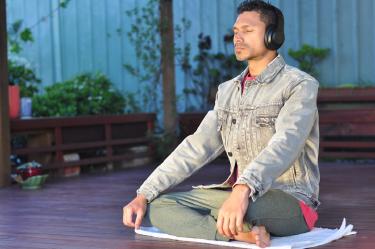
Something weird happens when you sit still for long enough. Your brain starts doing things that scientists used to think required psychedelic drugs to achieve.
I’m talking about intensive meditation retreats-those week-long (or longer) silent experiences where you wake up at 4 AM, meditate for 10+ hours daily, and don’t speak to anyone. Sounds brutal, right? But here’s where it gets interesting: brain scans of experienced meditators show patterns remarkably similar to people on psilocybin or LSD.
Your Brain on Silence: What Actually Happens
When researchers at Johns Hopkins and NYU started comparing brain imaging data from long-term meditators with participants in psychedelic studies, they noticed something surprising. Both groups showed decreased activity in the default mode network (DMN)-that’s the brain region responsible for your sense of self, mind-wandering,. That constant mental chatter you can’t seem to shut off.
The DMN quiets down - and when it does?
- Dissolution of ego boundaries
- Feelings of interconnectedness
- Altered perception of time
- Profound emotional releases
- Lasting changes in outlook and behavior
Dr. Judson Brewer, a psychiatrist at Brown University who’s studied both meditation. Addiction, puts it bluntly: “The mystical experiences people have during intensive retreats can be indistinguishable from those induced by psychedelics.
The Neuroplasticity Connection
Here’s the deal. Both intensive meditation and psychedelics appear to open what neuroscientists call “windows of plasticity”-periods when your brain becomes unusually malleable and capable of rewiring itself.
Normally, adult brains are pretty set in their ways. The neural pathways you’ve used for decades become like highways, while new routes stay as dirt roads. But during these altered states, the playing field levels out. Old patterns become easier to interrupt. New ones become easier to establish.
A 2020 study published in Scientific Reports found that just one week of intensive meditation retreat produced measurable changes in brain connectivity that persisted for months. Participants showed:
- Reduced amygdala reactivity (less stress response)
- Increased connectivity between brain regions involved in attention and emotional regulation
- Changes in gene expression related to inflammation and immune function
That last one surprised even the researchers. Your thoughts, repeated intensively enough, literally change which genes get expressed.
Why Retreats Work Differently Than Daily Practice
Meditating 20 minutes each morning is great. It reduces stress, improves focus, helps you sleep. But it won’t induce the kind of profound state shifts we’re talking about here.
Intensive retreats work differently for several reasons:
**Accumulated practice hours. ** During a 10-day Vipassana retreat, you might log 100+ hours of meditation. That’s more than many casual practitioners do in a year. Quantity matters-it allows you to push through resistance and reach deeper states.
**Sensory reduction - ** No phones. No conversations - no news. No decisions about what to eat. Your brain, starved of its usual stimulation, starts paying attention to subtler internal experiences.
**Circadian disruption. ** Early waking, specific meal timing, and extended stillness alter your biological rhythms. This isn’t accidental-it’s a feature. Disrupted routines help shake loose habitual mental patterns.
**Social context. ** Being surrounded by others doing the same practice, even in silence, creates a container that somehow makes deeper experiences feel safer and more accessible.
The Challenging Parts Nobody Warns You About
Let me be honest: intensive retreats aren’t vacations. Days three through five of most silent retreats are notoriously difficult. People experience intense boredom, physical pain from sitting, anxiety, and sometimes disturbing memories or emotions surfacing.
This parallels what psychedelic researchers call “challenging experiences”-difficult but potentially valuable parts of the journey. The difference is duration. A psilocybin session lasts 4-6 hours. A meditation retreat stretches across days or weeks, meaning you can’t just wait it out.
Some retreat centers now screen participants for psychiatric conditions that might make intensive practice risky. This mirrors protocols at psychedelic research clinics. Both recognize that profoundly altered states, however induced, require appropriate support and aren’t suitable for everyone.
What the Research Actually Shows
A 2018 study in Psychopharmacology directly compared subjective experiences between psilocybin sessions and meditation retreats. Participants rated various experiential qualities using standardized questionnaires. The overlap was striking-particularly for what researchers call “mystical-type experiences.
Both groups reported:
- Sense of sacredness
- Noetic quality (a feeling of encountering deeper truths)
- Deeply felt positive mood
- Transcendence of time and space
- Ineffability (difficulty putting the experience into words)
The researchers noted that while psilocybin produced more intense acute effects, dedicated meditators could achieve comparable peak experiences through practice alone. And the meditators’ experiences tended to integrate more smoothly into daily life-probably because they developed the experience gradually rather than having it thrust upon them chemically.
Practical Considerations If You’re Curious
Interested in exploring this territory? Some things worth knowing:
**Start smaller. ** Weekend retreats exist for a reason. Jumping straight into a 10-day silent retreat is like running a marathon without training.
**Choose your tradition carefully. ** Different meditation styles produce different effects. Concentration practices (like focusing on breath) work differently than open awareness practices (like noting whatever arises). Research the specific technique before committing.
**Physical preparation helps. ** Being able to sit comfortably for extended periods matters more than you’d think. Some pre-retreat yoga or stretching makes a real difference.
**Expect nothing and everything. ** The most profound experiences often happen when you stop trying to have profound experiences. Paradoxical, but consistently reported.
**Integration matters. ** Just like with psychedelic therapy, what happens after the retreat determines whether insights stick. Have support in place.
The Bigger Picture
What fascinates me most about this research is more than the brain-state similarities-it’s what this tells us about consciousness itself. The fact that radically different approaches (molecules versus sustained mental effort) can produce overlapping experiences suggests these states are innate human capacities, not just drug effects.
Your brain already has the hardware for these experiences. Psychedelics are one key - intensive meditation is another. Neither is inherently better-they’re different tools with different advantages, risks, and accessibility.
For people interested in the therapeutic benefits associated with psychedelic experiences but unable or unwilling to use substances, intensive meditation offers a legitimate alternative. It’s slower, requires more effort, and doesn’t work for everyone. But for those willing to put in the time, the outcomes can be remarkably similar.
And unlike scheduled substances, meditation retreats are legal, widely available, and come with centuries of accumulated wisdom about handling the territory they open up.
The science here is still young. But it’s pointing toward something practitioners have claimed for millennia: that with sufficient training and the right conditions, the human mind can access extraordinary states entirely on its own.