Why Gen Z Leads the Mental Wellness Revolution in 2025
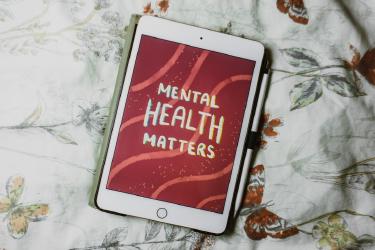
Something shifted. Maybe you noticed it with your younger coworkers who openly discuss their therapy sessions during lunch. Or perhaps it was your cousin posting about her anxiety on Instagram like it was completely normal. Because for Gen Z, it is.
This generation-born between 1997 and 2012-treats mental health the way previous generations treated physical fitness. It’s not a crisis to manage. It’s a lifestyle to maintain.
They Grew Up Watching Millennials Burn Out
but about Gen Z: they had front-row seats to the millennial burnout epidemic. They watched their older siblings and young parents grind themselves into exhaustion chasing hustle culture. They saw the consequences.
And they said no thanks.
A 2024 McKinsey survey found that 82% of Gen Z workers consider mental health support a deciding factor when choosing employers. Not a nice-to-have - a dealbreaker. Compare that to 62% of millennials and 47% of Gen X respondents.
This isn’t about being fragile or entitled-accusations that get thrown around too freely. Gen Z made a calculated decision based on observable data. They watched burnout destroy relationships, careers, and health. Why would they sign up for that?
Therapy Isn’t Shameful - it’s Smart.
Remember when admitting you saw a therapist felt like confessing something embarrassing? Gen Z doesn’t. For them, therapy is closer to having a personal trainer or nutritionist. It’s just another professional helping you improve your life.
The numbers back this up. The American Psychological Association reported that 37% of Gen Z currently works with a mental health professional-compared to 26% of millennials and 22% of Gen X. And these are more than crisis interventions. Many started therapy during relatively stable periods of their lives.
Preventive mental healthcare - what a concept.
I talked to Mara, a 24-year-old marketing coordinator in Austin, who started therapy at 19. “I wasn’t depressed or anything,” she told me. “I just wanted to understand myself better before problems got big. My mom thought I was being dramatic. Now she sees her own therapist.
That last part matters. Gen Z is more than changing their own behavior-they’re shifting family dynamics across generations.
The Wellness App Boom Isn’t Coincidental
Wonder why your phone’s app store overflows with meditation apps, mood trackers, and digital therapy platforms? Gen Z drove that market.
Calm and Headspace became billion-dollar companies largely because young users normalized daily mental wellness practices. BetterHelp and Talkspace exploded because Gen Z wanted therapy on their terms-accessible, affordable, and stigma-free.
But here’s where it gets interesting. Gen Z approaches these tools with surprising skepticism. They’re not blindly downloading every wellness app that crosses their feed.
Research from Deloitte shows Gen Z reads reviews more thoroughly and abandons apps faster than other demographics when they don’t deliver results. They want evidence that something works. Aesthetic marketing only goes so far.
Work-Life Balance Isn’t Negotiable
Older generations often frame work-life balance as something you earn after years of grinding. Pay your dues first - balance comes later.
Gen Z rejected that timeline entirely.
They’re the generation most likely to decline promotions that would negatively impact their mental health. They’re setting boundaries around work communication after hours. They’re choosing lower-paying jobs with better cultures over high-stress positions with bigger paychecks.
This drives some managers absolutely crazy. “They don’t want to work hard,” becomes the complaint.
But that misses the point. Gen Z works hard-they just refuse to sacrifice their wellbeing for jobs that would replace them in two weeks. Is that really so unreasonable?
A friend who manages a team of mostly twenty-somethings put it well: “They’re not lazy. They’re just honest about their limits in a way my generation never was. It’s actually refreshing once you get past the initial frustration.
Social Media: Complicated Relationship Status
You can’t discuss Gen Z mental health without addressing the elephant scrolling through the room. Social media shaped this generation’s development in unusual ways-for better and worse.
The worse part gets plenty of attention. Comparison culture - cyberbullying. Unrealistic beauty standards - constant connectivity without genuine connection. Studies link heavy social media use to increased anxiety and depression, particularly among teenage girls.
But here’s what often gets overlooked: Gen Z also used social media to destigmatize mental health conversations at massive scale.
When celebrities and influencers started opening up about depression, anxiety, eating disorders, and therapy, millions of young people realized they weren’t alone. TikTok videos about ADHD symptoms helped countless undiagnosed adults finally understand themselves. Instagram accounts dedicated to therapy concepts made psychological tools accessible.
Gen Z didn’t just consume this content. They created it. They built communities around shared struggles and recovery journeys.
So yeah, social media complicated their mental health. But it also gave them unusual access to information, community, and resources. Both things are true simultaneously.
They’re Changing the Conversation for Everyone
Here’s what fascinates me most: Gen Z’s mental wellness priority isn’t staying contained within their demographic. It’s spreading upward.
Parents are reconsidering their own relationship with therapy after watching their kids benefit. Companies are expanding mental health benefits because younger employees demanded it-and older employees started using them. Family dinner conversations now include topics that would’ve been taboo a generation ago.
My own mother, a boomer who once dismissed therapy as “paying someone to complain,” started seeing a counselor last year. When I asked what changed her mind, she mentioned conversations with her Gen Z niece.
“She talked about her therapist so matter-of-factly,” my mom said. “Like it was just a normal part of taking care of yourself. Eventually I thought, why not me?
That’s cultural change in action. Slow, generational, often invisible-until suddenly it’s everywhere.
Not Everything Is Perfect
Would be dishonest to paint an entirely rosy picture. Gen Z faces real challenges that sometimes undercut their wellness efforts.
They entered adulthood during a pandemic. They graduated into economic uncertainty - housing feels impossible. Climate anxiety is real. Many can’t access the mental healthcare they prioritize because cost and availability remain significant barriers.
Some critics argue Gen Z over-pathologizes normal human experiences, turning every bad day into a diagnosis. There might be something to that concern in some cases. Mental health awareness can occasionally tip into mental health obsession.
And the therapy-speak that permeates Gen Z communication-“setting boundaries,” “doing the work,” “holding space”-sometimes becomes performative rather than genuine. Language can become substitute for actual change.
These are fair critiques worth considering.
But the broader shift? The fundamental reorientation toward treating mental health as essential rather than optional? That’s not a weakness - that’s evolution.
What Comes Next
Gen Alpha-the kids born after 2012-will grow up in a world where mental wellness priority is simply assumed. They won’t remember when therapy carried stigma or when admitting anxiety felt shameful.
Gen Z built that bridge. They took the hits, endured the criticism, and normalized conversations that previous generations avoided.
Were they shaped by unique circumstances? Absolutely. Did technology play a complicated role? Without question. Are there valid concerns about overcorrection? Sure.
But when future generations look back at when mental health stopped being shameful and started being standard? They’ll point to now - they’ll point to Gen Z.
And honestly - that’s worth celebrating.