How Cold Water Immersion Resets Your Stress Response System
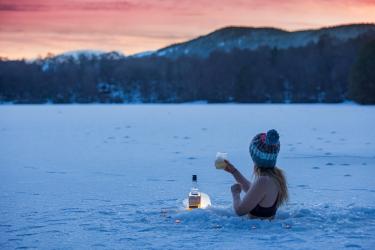
You know that feeling when you jump into a cold pool and your body just… seizes up - your breath catches. Your heart pounds. Every nerve ending screams at you to get out immediately.
That reaction isn’t a bug - it’s a feature.
And increasingly, people are using it deliberately to rewire how their bodies handle stress. Not just athletes or biohackers either-regular folks who discovered that a few minutes of cold water can shift something fundamental in their nervous system.
What Actually Happens When You Hit Cold Water
The moment cold water touches your skin, your body launches into what’s called the cold shock response. Your sympathetic nervous system-the “fight or flight” branch-goes into overdrive. Blood vessels constrict - adrenaline floods your system. Your breathing rate spikes.
Sounds awful, right?
Here’s where it gets interesting. When you stay in the cold deliberately, something shifts. Your body realizes the threat isn’t actually life-threatening. The parasympathetic nervous system (your “rest and digest” mode) starts to kick in. Your heart rate gradually slows - breathing deepens. You find a weird calm within the discomfort.
This toggle between stress and recovery? That’s the reset people talk about.
Dr. Susanna Søberg, a metabolism researcher who’s studied winter swimmers extensively, found that regular cold exposure actually changes how quickly your body can shift between these two states. The more you practice, the more efficiently your nervous system learns to recover from acute stress.
The Science of Stress Inoculation
Think of cold water immersion as a controlled stressor. Unlike the chronic stress of work deadlines, relationship problems, or financial worries-which just grinds away at you-cold exposure is acute, brief, and predictable.
Your body gets a clear signal: stressor starts, stressor ends.
This matters because chronic stress keeps your nervous system stuck in low-grade fight-or-flight. Your baseline cortisol creeps up - your heart rate variability decreases. You lose the ability to bounce back quickly from challenges.
Cold water forces a complete circuit reset.
A 2022 study in Biology found that participants who took cold showers for 30 days showed measurable improvements in their stress resilience markers. Their cortisol responses became more regulated. They reported feeling more “in control” during stressful situations.
But here’s what researchers emphasize: the benefits seem to come from the voluntary aspect. You’re choosing the discomfort - you’re staying present through it. You’re teaching your brain that you can handle hard things.
Starting Without the Shock
Nobody needs to dump themselves in an ice bath on day one. Actually, that’s probably counterproductive.
The cold tolerance you see in experienced practitioners gets built gradually. Start with what you can actually do:
**End your shower cold. ** Just the last 30 seconds. Yes, you’ll hate it - that’s normal. Focus on keeping your breathing slow and controlled.
**Build duration slowly. ** Once 30 seconds feels manageable (not comfortable, just manageable), push to 60 seconds. Then 90 - there’s no rush.
**Cold face dunks work too. ** Fill a bowl with cold water, maybe add some ice, and submerge your face for 15-30 seconds. This triggers the “dive reflex” and activates your vagus nerve directly. Some people find this easier to start with than full-body cold.
**Natural bodies of water change everything. ** A cold lake or ocean feels different than a shower-more immersive, more demanding. But also more rewarding for many people. If you have access to natural cold water, even seasonal, it’s worth experiencing.
The temperature that matters? Research suggests most benefits kick in around 59°F (15°C) or below. Colder isn’t necessarily better-it’s about the contrast with your baseline and your ability to stay present through the exposure.
What People Get Wrong
A few misconceptions keep circulating:
“Longer is better - “ Nope. Most studies showing benefits use exposures of 2-11 minutes total per week. That’s it. Extreme cold for extended periods creates different physiological demands and risks. The stress response reset happens in the first few minutes.
“You should force yourself to stop shivering. “ Please don’t. Shivering is your body generating heat. It’s protective - let it happen.
“Cold water burns fat directly. “ The brown fat activation thing is real but overhyped for weight loss. Any caloric effect is modest. The nervous system benefits are the real story.
“You’ll get sick. “ Cold exposure doesn’t cause illness-viruses and bacteria do. Some evidence actually suggests regular cold exposure may improve immune function, though research is still emerging here.
The Mental Game Matters Most
Here’s something the physiological research doesn’t fully capture: there’s a psychological component that might matter as much as the biological one.
When you voluntarily do something uncomfortable, when you choose to stay in cold water despite every instinct telling you to escape, you’re building what psychologists call “distress tolerance. " You’re proving to yourself that discomfort won’t destroy you.
That lesson transfers.
People who practice cold exposure regularly often report that other hard things feel more manageable. Not because the cold water magically solved their problems, but because they’ve practiced the skill of staying calm when their body wants to panic.
Wim Hof built a whole empire on this idea. And while some of his specific claims get exaggerated in popular culture, the core insight holds up: learning to breathe. Stay present through acute physical stress changes your relationship with stress generally.
Practical Considerations
Some honest caveats:
If you have cardiovascular issues, talk to your doctor first. The cold shock response genuinely stresses your heart. For healthy people, this stress is beneficial-like exercise. For people with underlying conditions, it could be dangerous.
Don’t do cold immersion alone in isolated places. Especially in natural water. Cold shock can cause involuntary gasping that leads to drowning. Have someone nearby.
The post-cold rewarming matters. Let your body warm up naturally rather than jumping into a hot shower immediately. The gradual return to baseline seems to be part of the beneficial stress response training.
And timing around workouts is controversial. Some evidence suggests cold exposure immediately after strength training might blunt muscle growth adaptations. If building muscle is your goal, maybe separate your cold exposure from your lifting by several hours.
Why This Works When Other Stress Interventions Don’t
Meditation helps - exercise helps. Therapy helps. All legitimate tools for stress management.
But cold water offers something different: an unmistakable physical signal that cuts through mental noise.
You can’t ruminate when you’re in 50-degree water. Your attention narrows to the immediate moment. Your body demands presence.
For people who struggle with traditional mindfulness practices-whose minds wander constantly during seated meditation-cold exposure provides an anchor that’s impossible to ignore.
It’s meditation with training wheels, in a way. The cold keeps dragging you back to now.
After enough practice, some of that presence starts to stick. You notice stress responses earlier. You catch yourself spiraling and can intervene. The reset you forced through cold water becomes something you can access, at least partially, without it.
The Bottom Line
Cold water immersion isn’t magic - it won’t fix chronic trauma. It won’t replace therapy if you need therapy. It’s not a substitute for addressing the actual sources of stress in your life.
But as a tool for training your nervous system to handle stress more gracefully? The evidence is solid and growing.
Start small - stay consistent. Focus on your breath. And accept that it’s going to be uncomfortable-that’s literally the point.
Your stress response system is adaptable. Cold water is one way to teach it new tricks.