Cold Water Exposure Timing Affects Dopamine Levels Differently
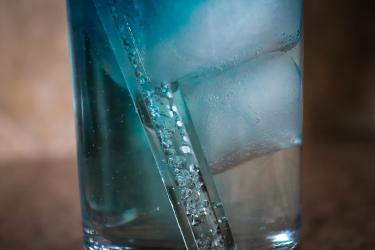
You’ve probably seen the influencers on Instagram-shirtless dudes plunging into ice baths at 5 AM, claiming it’s the secret to endless energy and laser focus. And honestly - they’re not entirely wrong. But here’s what most of them won’t tell you: when you take that cold plunge matters just as much as whether you do it at all.
The science behind cold water exposure and dopamine is genuinely fascinating. It’s not bro-science or wellness woo. Real researchers have measured what happens to your brain chemistry when you subject yourself to freezing water,. The results explain why timing your cold exposure can make or break its effectiveness.
What Actually Happens to Your Brain in Cold Water
When you step into cold water-we’re talking around 50°F (10°C) or below-your body freaks out a little. Your sympathetic nervous system kicks into high gear. Heart rate spikes - blood vessels constrict. And your brain starts pumping out catecholamines like norepinephrine and dopamine.
A study published in the European Journal of Applied Physiology found that cold water immersion at 57°F (14°C) increased dopamine levels by 250%. Two hundred and fifty percent - that’s not a typo. And unlike caffeine or other stimulants, this dopamine release is gradual and sustained-lasting for hours rather than giving you a spike-and-crash situation.
Dopamine is more than the “pleasure chemical” people make it out to be. It’s your brain’s motivation molecule. It drives you to pursue goals, stay focused, and feel energized throughout your day. Low dopamine? You feel flat, unmotivated, struggling to get off the couch. High dopamine? You’re ready to tackle your to-do list.
Morning Plunges Hit Different
Here’s where timing becomes key. Your body has a natural cortisol rhythm-cortisol peaks in the morning (typically between 7-9 AM) and gradually decreases throughout the day. This cortisol pulse is what helps you wake up and feel alert.
When you combine cold water exposure with this natural cortisol peak, something interesting happens. The dopamine release from the cold stacks on top of your body’s natural wake-up process. Dr. Andrew Huberman, a neuroscientist at Stanford, has talked extensively about this cooperation. Cold exposure in the morning amplifies what your body already wants to do-get you alert and ready for the day.
But there’s a catch.
If you do your cold plunge immediately after waking-like within the first 30 minutes-you might actually blunt some of the natural cortisol rise. The shock to your system can interfere with the gradual awakening process. Many practitioners find the sweet spot is 1-2 hours after waking. You get the full benefit of your natural cortisol peak PLUS the dopamine surge from the cold.
Afternoon and Evening: A Totally Different Game
So what about cold exposure later in the day?
Afternoon plunges can work well for some people. That 2-3 PM energy slump that makes you reach for another coffee? A 2-minute cold shower can blast through it without the caffeine jitters. The dopamine boost gives you a second wind for the rest of your workday.
Evening cold exposure is trickier. On one hand, the dopamine and norepinephrine release can interfere with sleep if done too close to bedtime. Your body temperature needs to drop for you to fall asleep easily,. While cold water does eventually lower your core temperature, there’s an initial spike that can keep you wired.
On the other hand, some people report that cold showers 2-3 hours before bed actually improve their sleep quality. The theory is that the subsequent drop in body temperature (after the initial spike) triggers deeper sleep.
There’s no universal answer here - you’ll need to experiment.
Duration and Temperature: Finding Your Protocol
The dopamine response is more than about timing-it’s about how cold and how long.
Research suggests you need at least 11 minutes of total cold exposure per week to see consistent benefits. That could be one 11-minute session or eleven 1-minute sessions spread across the week. The dopamine response kicks in quickly-within the first minute or two-but longer exposures seem to create more sustained effects.
Temperature matters too. Water at 60°F (15°C) will give you some benefit, but colder is generally more effective up to a point. Most research uses water between 50-59°F (10-15°C). Going colder than 50°F doesn’t necessarily increase the dopamine response much more-it just increases the risk of hypothermia.
Here’s a practical approach many people use:
Week 1-2: Start with cold showers. End your regular shower with 30-60 seconds of cold water.
Week 3-4: Extend to 2-3 minutes of cold at the end of your shower.
Week 5+: If you want to progress, consider cold plunges or ice baths at lower temperatures. Start with 2-3 minutes and work up from there.
The goal isn’t to torture yourself. You want the water cold enough that you really want to get out-but not so cold that you’re putting yourself in danger.
Why the “Post-Exercise” Window Might Not Be Ideal
You might think jumping in a cold plunge right after your workout is the perfect combo. Cold exposure for recovery, dopamine for mood-win-win, right?
Actually, maybe not.
Recent research has complicated the cold-after-exercise recommendation. Cold water immersion immediately after strength training appears to blunt some of the muscle-building response. The inflammation you experience after lifting weights is actually part of the adaptation process-it signals your muscles to grow back stronger. Cold exposure reduces that inflammation, which sounds good but might interfere with gains.
For endurance training, the picture is less clear. Some studies show benefits, others show interference.
If your primary goal is the dopamine boost and mental benefits, consider separating your cold exposure from your workouts by at least 4 hours. Morning cold plunge, afternoon workout. Or morning workout, evening cold shower.
Building a Sustainable Practice
Let’s be real: jumping into freezing water sucks. Every time. Even the cold plunge veterans will tell you it never gets “easy”-you just get better at doing it anyway.
The dopamine boost might be one reason cold exposure becomes habit-forming for some people. That post-plunge feeling-alert, awake, almost euphoric-is genuinely addictive in the best way. But relying on willpower alone to maintain the practice rarely works long-term.
Some strategies that help:
**Pair it with something you already do. ** Coffee brewing? That’s your two-minute cold shower cue. Just got home from walking the dog? Cold plunge time.
**Track your mood, not your temperature. ** Instead of obsessing over exactly how cold the water is, note how you feel throughout the day after cold exposure versus days without it. The subjective benefits often keep people more motivated than the science.
**Find your minimum effective dose. ** For some people, that’s a 30-second cold shower. For others, it’s a 5-minute ice bath. More isn’t always better.
The Honest Caveats
Cold water exposure isn’t for everyone. People with heart conditions, uncontrolled high blood pressure, or Raynaud’s disease should consult a doctor before trying it. The initial shock of cold water causes a significant cardiovascular response that could be dangerous for some.
Also, cold exposure isn’t a magic cure for depression, ADHD, or other conditions involving dopamine dysfunction. The dopamine boost is real but temporary. It’s one tool in a toolkit, not a replacement for medical treatment.
And the timing research, while promising, isn’t as strong as we’d like. Much of what we know comes from relatively small studies or extrapolation from related research. Your results may vary.
That said, cold water exposure is free, requires no equipment (a cold shower works), and has a pretty favorable risk-reward profile for healthy adults. The worst case? You’re uncomfortable for a few minutes. The best case? You’ve found a sustainable way to boost your energy, focus, and mood without another cup of coffee.
Start tomorrow morning. Maybe not in an ice bath-just turn the shower cold for the last minute. Notice how you feel an hour later.
Then decide if the timing works for you.