Coherent Breathing Technique Lowers Heart Rate in Two Minutes
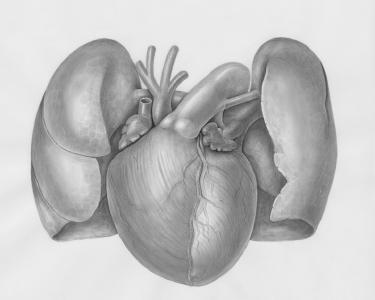
Your heart is racing. Maybe you just got off a stressful call, or you’re sitting in traffic running late, or you simply can’t shake that anxious feeling that’s been following you around all day. What if I told you there’s a breathing technique that can measurably slow your heart rate in about two minutes flat?
No apps required - no special equipment. Just you and your breath.
What Exactly Is Coherent Breathing?
Coherent breathing is stupidly simple. You breathe in for five seconds, then out for five seconds. That’s it. Six breaths per minute, roughly half the rate most people breathe.
The technique comes from research into heart rate variability (HRV) and the autonomic nervous system. Dr. Stephen Elliott coined the term after studying how different breathing rates affect the body. Turns out, somewhere around five to six breaths per minute, something interesting happens-your heart rate starts syncing with your breath in a rhythmic pattern.
This sync-up is more than a neat party trick. It actually shifts your nervous system from “fight or flight” mode into “rest and digest” mode. Your vagus nerve-that long wandering nerve connecting your brain to your gut-gets stimulated. Blood pressure drops - stress hormones decrease.
And yes, your heart rate comes down.
The Science Behind the Two-Minute Claim
I know, I know. Two minutes sounds like marketing hype. But there’s actual data backing this up.
A 2017 study in the journal Frontiers in Psychology found that just five minutes of slow breathing at six breaths per minute significantly reduced heart rate. Increased HRV in participants. Another study from the International Journal of Psychophysiology showed effects beginning within the first two minutes of practice.
Here’s what happens in your body:
Seconds 0-30: Your breathing slows. Nothing dramatic yet, but your body registers the change.
Seconds 30-60: Your parasympathetic nervous system starts waking up. The vagus nerve begins sending “calm down” signals.
Seconds 60-120: Heart rate begins dropping measurably. HRV increases. That jittery, amped-up feeling starts fading.
The effects continue building if you keep going, but most people notice a tangible shift right around that two-minute mark. Some feel it sooner.
How to Actually Do It
Let’s get practical.
Step 1: Sit or lie down somewhere reasonably comfortable. You can do this standing, but sitting works better when you’re learning.
Step 2: Breathe in through your nose for five seconds. Count slowly in your head: one-Mississippi, two-Mississippi… you get it.
Step 3: Breathe out through your nose or mouth for five seconds. Same slow count.
Step 4: Repeat.
That’s literally the entire technique.
A few tips that help:
- Don’t force huge breaths - breathe normally, just slower. You’re not trying to fill your lungs to maximum capacity. - Keep your exhale relaxed. Some people tense up during the out-breath, which defeats the purpose. - If five seconds feels too long initially, start with four seconds in, four out. Work up to five - - Belly breathing helps. Let your stomach expand on the inhale rather than just your chest.
When This Works Best
Coherent breathing isn’t a magic cure for all stress. But it’s remarkably effective in certain situations.
Before sleep: Racing thoughts keeping you awake? Five minutes of coherent breathing often does more than an hour of tossing around.
Pre-meeting nerves: That presentation you’re dreading? Two minutes in the bathroom beforehand can take the edge off.
After arguments: Your heart’s pounding, adrenaline’s flowing, and you’re replaying what you should have said. This helps you come down faster.
During anxiety spikes: When you feel panic building, coherent breathing can interrupt the spiral before it takes hold.
Random stress moments: Stuck in traffic. Waiting for test results - kids screaming. Any time you notice your system running hot.
I use it most often in that window between something stressful happening and needing to respond to it. Those few minutes of breathing create space to react from a calmer place.
What It Won’t Do
Let’s be honest about limitations.
Coherent breathing won’t cure clinical anxiety disorders. It’s not a replacement for therapy or medication when those are needed. If you’re dealing with trauma, panic disorder, or severe anxiety, this is a tool in the toolbox-not the whole toolbox.
It also won’t work instantly every time. Some days your nervous system is so revved up that two minutes barely makes a dent. That’s normal - sometimes you need ten minutes. Sometimes you need to go for a walk instead.
And it requires actual practice. The first few times you try it, you might feel awkward counting breaths or get distracted constantly. Stick with it. Like any skill, it gets easier and more effective with repetition.
Why Breathing Rate Matters So Much
Most adults breathe 12-20 times per minute without thinking about it. When stressed, that rate climbs higher-sometimes to 20-30 breaths per minute.
but your nervous system doesn’t tell you: the relationship between breathing and stress goes both directions. Stress makes you breathe faster, yes. But breathing faster also signals stress to your brain. It’s a feedback loop.
Slow, deliberate breathing hacks that loop. You’re essentially sending a false “all clear” signal to your brain. And your brain, not being particularly smart about distinguishing real threats from imaginary ones, believes you.
This is why coherent breathing works when positive thinking doesn’t. You can’t always think your way out of stress. But you can breathe your way out of it.
Building a Practice
You don’t need to commit to hour-long meditation sessions. Even tiny amounts help.
The bare minimum: One minute of coherent breathing, once per day. Set a phone reminder if you need to.
Better: Two minutes, twice daily - morning and evening work well.
Ideal: Five minutes, twice daily, plus using it situationally when stress hits.
Some people like guided apps (Breathing App and Breathwrk are popular options). Others prefer simple timers. I just count in my head at this point-after enough practice, the rhythm becomes automatic.
The key is consistency over intensity. Three weeks of one-minute daily practice beats one marathon session you never repeat.
A Quick Reality Check
Breathwork has gotten trendy lately, and with that comes overblown claims. You’ll find people saying specific breathing patterns cure everything from depression to cancer.
Coherent breathing does one thing reliably: it activates your parasympathetic nervous system and helps regulate your heart rate. That’s useful - that’s meaningful. But it’s not magic.
Use it as one tool among many. Exercise, sleep, connection with others, professional help when needed-all of these matter too. Coherent breathing is the two-minute intervention you can do anywhere, anytime, for free. That’s its superpower.
So next time you feel your heart pounding and your thoughts racing, try it. Five seconds in - five seconds out. Give it two minutes.
Your nervous system will thank you.