The Brain Rot Epidemic and How Digital Detox Restores Focus
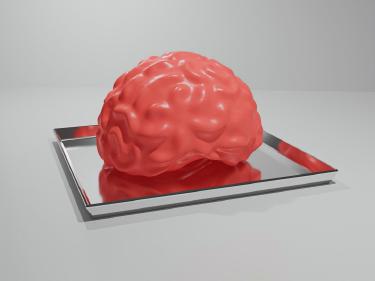
Your brain feels like mush. You’ve scrolled through the same three apps for an hour without absorbing anything. Someone asks what you just read and you genuinely can’t remember. Sound familiar?
This foggy, unfocused state has a name now: brain rot. And before you dismiss it as just another trendy buzzword, consider this-Oxford named it their 2024 word of the year. Millions of people recognized themselves in that term. That’s not a coincidence.
What Brain Rot Actually Means (And Why It’s Not Just Laziness)
Brain rot describes the mental deterioration that comes from consuming too much low-quality digital content. We’re talking endless TikTok loops, doom-scrolling news feeds, and binge-watching shows you don’t even like that much. Your brain isn’t broken. It’s exhausted from processing a firehose of fragmented information that demands attention but offers little substance.
The average person now spends over 7 hours daily on screens. That’s not counting work-related screen time for many of us. Our brains evolved to handle focused tasks and real-world sensory input. They definitely didn’t evolve for the rapid-fire stimulation of modern digital life.
Here’s what happens neurologically: constant scrolling triggers small dopamine hits. Your brain starts craving that quick reward cycle. Sustained attention - deep thinking? Those require effort your dopamine-depleted brain doesn’t want to make. So you keep scrolling, feeling worse but unable to stop.
Researchers at Stanford found that heavy media multitaskers performed worse on memory tasks and had more difficulty filtering irrelevant information. Their attention systems were literally less efficient. Brain rot isn’t metaphorical-it’s measurable.
The Sneaky Signs You’re Affected
You might think brain rot only happens to people glued to their phones 24/7. But the symptoms show up in subtle ways first.
Can you read a book chapter without checking your phone? Sit through a movie without a second screen? Have a conversation without your mind wandering to notifications?
Other signs include:
- Feeling anxious when you can’t access your phone
- Struggling to remember what you read or watched yesterday
- Needing background noise or media to do basic tasks
- Difficulty completing projects that require sustained focus
- A persistent sense of mental fog or exhaustion
One thing I’ve noticed personally-and heard from countless others-is the phantom vibration phenomenon. You feel your phone buzz when it didn’t. Your nervous system is so tuned to digital alerts that it’s hallucinating them. That’s not normal - that’s conditioning.
Digital Detox is more than Taking a Break
So what actually works? “Digital detox” gets thrown around a lot, usually meaning some dramatic week without screens. But that’s not realistic for most people. And honestly - it misses the point.
Effective digital detox is about restructuring your relationship with technology, not eliminating it entirely. Think of it like changing your diet rather than crash-fasting.
Start with friction - make mindless scrolling harder. Log out of apps. Move social media off your home screen. Use grayscale mode-it’s remarkable how much less appealing Instagram becomes without color.
Create phone-free zones. The bedroom is the obvious one, but consider the dinner table, your morning routine, and the first hour after waking. These boundaries train your brain that not every moment needs filling with content.
Replace rather than remove. The urge to scroll often comes from legitimate needs-boredom, stress relief, social connection. Find offline alternatives - keep a book nearby. Have a conversation - go outside. Your brain needs stimulation; it just needs the right kind.
Rebuilding Your Attention Span
Here’s the good news: neuroplasticity works both ways. Just as your brain adapted to constant stimulation, it can readapt to focused attention. The process takes time, though - don’t expect overnight results.
Start small - really small. Try reading for 10 minutes without interruption. Meditate for 5 minutes-apps like Insight Timer have free guided sessions. Work on a single task for 25 minutes using the Pomodoro technique.
The first few days feel uncomfortable. You’ll reach for your phone instinctively. That’s withdrawal, and it’s temporary. Most people report significant improvements in focus within 2-3 weeks of consistent practice.
Nature exposure accelerates recovery. A 2019 study found that just 20 minutes in a natural setting-even an urban park-reduced cortisol levels and improved cognitive function. Your brain literally works better after time outdoors. No app can replicate that.
Physical exercise matters too. Aerobic activity increases blood flow to the prefrontal cortex, the brain region responsible for attention and decision-making. A 30-minute walk might do more for your mental clarity than any productivity hack.
What Cognitive Restoration Actually Feels Like
People describe post-detox clarity in interesting ways. “Colors seem brighter - " “Conversations feel more engaging. " “I can actually finish what I start.
The scientific term is cognitive restoration-your brain returning to baseline functioning after accumulated mental fatigue. Attention Restoration Theory, developed by environmental psychologists, suggests this happens most effectively through exposure to nature and low-stimulation environments.
But you don’t need a cabin in the woods. Restoration happens through any activity that allows involuntary attention-the kind of soft fascination you feel watching clouds or listening to rain. Unlike directed attention, which depletes mental resources, involuntary attention lets those resources replenish.
Boredom, it turns out, is valuable. Those moments when your mind wanders without external input? That’s your default mode network activating. It’s when creativity happens, when you process experiences, when you actually think instead of just react. We’ve optimized boredom out of existence, and we’re paying for it.
Making Changes That Stick
The hardest part isn’t knowing what to do-it’s maintaining new habits when old ones are so deeply ingrained. A few strategies that help:
Track your screen time for a week before changing anything. The data usually shocks people into action. Seeing “4 hours on social media” in black and white hits different than vaguely feeling like you scroll too much.
Find accountability - tell someone about your goals. Better yet, find a friend doing the same thing. Social support makes behavior change dramatically more likely.
Expect setbacks. You’ll have days where you fall back into old patterns. That’s not failure-it’s the normal process of changing habits. The goal is progress, not perfection. Every time you catch yourself scrolling mindlessly and choose to stop, you’re building new neural pathways.
And be patient with yourself. Your brain didn’t get foggy overnight. It won’t clear up overnight either. But it will clear up. The human brain is remarkably resilient when we give it what it needs: rest, real-world engagement, and breaks from the endless digital noise.
The Bigger Picture
Brain rot isn’t really about willpower or discipline. It’s about an environment designed to capture attention at all costs. Every app, every platform, every notification-they’re engineered by people whose job is keeping you engaged. You’re not weak for struggling against systems built by thousands of engineers optimizing for exactly this outcome.
Recognizing that takes some pressure off. You’re not fighting your own laziness. You’re pushing back against a multi-billion dollar attention economy. That’s hard - give yourself credit for trying.
The mental clarity on the other side is worth the effort. Being able to focus, to think deeply, to be present with people you care about-these aren’t luxuries. They’re baseline human experiences we’ve allowed to erode. Taking them back is an act of self-preservation.
Your brain isn’t rotting - it’s just tired. And with the right changes, it can recover. Start small - be consistent. And maybe, just maybe, put down the phone after reading this instead of scrolling to the next thing.