Social Media Detox Benefits for Anxiety and Depression
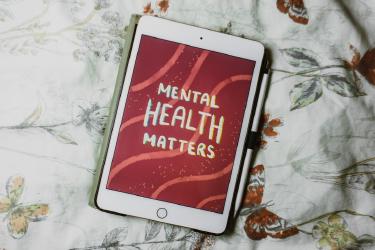
Your thumb hovers over Instagram - again. You’ve already checked it twice in the last ten minutes, but what if you missed something? Sound familiar?
Here’s the deal: our phones have become digital pacifiers. We reach for them when we’re anxious, bored, lonely, or just waiting for the coffee to brew. But what if that constant scrolling is actually making your anxiety worse?
Why Social Media Messes With Your Mental Health
Your brain wasn’t designed for this. Think about it - our ancestors worried about actual threats like predators or food scarcity. Now? We’re processing hundreds of selected highlight reels daily, each one triggering tiny hits of comparison and FOMO.
Research from the University of Pennsylvania found that limiting social media use to 30 minutes per day led to significant reductions in anxiety and depression after just three weeks. That’s it - three weeks.
But it’s not just about screen time. It’s about what that time is doing to your nervous system. Every notification sends a little cortisol spike through your body. Your brain literally can’t tell the difference between a stressful work email and a sabertooth tiger. Both trigger the same fight-or-flight response.
What Actually Happens During a Digital Detox
The first 48 hours - they’re rough. You’ll feel phantom vibrations in your pocket. You’ll unlock your phone without thinking, staring blankly at the home screen. This is withdrawal, and it’s real.
But around day three, something shifts. You start noticing things. The way morning light hits your kitchen counter. A conversation with a friend where you’re actually present, not half-listening while mentally composing your next post. The quiet.
People who’ve done full social media detoxes (we’re talking 30+ days) report some pretty dramatic changes:
- Better sleep quality - turns out doomscrolling at 11 PM doesn’t help with rest
- Reduced comparison anxiety - when you’re not seeing everyone’s vacation photos, you stop feeling bad about your Tuesday night couch time
- Improved focus - your attention span starts coming back like a muscle you forgot you had
- More genuine connections - phone calls! Actual hangouts - revolutionary.
How to Actually Do This Without Losing Your Mind
You don’t have to delete everything tomorrow. Cold turkey works for some people, but it’s not the only way.
**Start small. ** Delete one app for a week. Just one. Instagram’s usually the worst offender for mental health, but pick whichever one you reach for mindlessly most often.
**Set boundaries that stick. ** Put your phone in another room when you sleep. Seriously, get an actual alarm clock. They cost $15 and they don’t have Twitter on them.
**Replace the habit - ** This is key. You’re not just removing something - you need to fill that gap. When you’d normally scroll, do literally anything else. Stretch. Read three pages of a book. Stare out the window. Boredom is not the enemy here.
**Use the tools. ** Your phone has screen time limits for a reason. Set app timers. Make them actually restrictive - not the “remind me in 15 minutes” option that you’ll just ignore.
**Tell people. ** If you’re going dark on social media, let your close friends know. Give them your actual phone number. Wild concept, right?
The Paradox Nobody Talks About
Here’s something weird: taking a break from social media can make you feel more isolated at first. You’ll miss inside jokes from group chats. You won’t know about the thing everyone’s talking about. You’ll feel out of the loop.
This is normal - it’s also temporary.
What replaces it is better. Instead of shallow engagement with 500 acquaintances, you get deeper connections with 5 friends. Quality over quantity is more than a cliché - it’s actually how human relationships are supposed to work.
When You Come Back (If You Come Back)
Maybe you’ll delete everything forever. Maybe you’ll come back with new boundaries. Both are fine.
If you do return, try this: before you post anything, ask yourself why. Not in a judgmental way - genuinely ask what you’re hoping to get from sharing this. Connection - validation? Boredom relief?
Sometimes the honest answer is “I want people to think I’m doing cool stuff. " That’s human. But recognizing it helps you make conscious choices instead of reactive ones.
Use it like a tool, not a pacifier. Check in deliberately once or twice a day rather than 50 times. Curate your feed ruthlessly - unfollow anyone who makes you feel bad, even if you “should” care about their content.
The Bottom Line
Your anxiety and depression might not be completely caused by social media. But they’re almost being amplified by it.
A digital detox isn’t a cure-all. You might still need therapy, medication, lifestyle changes, or all of the above. But removing the constant low-level stress of social media comparison gives your nervous system space to actually heal.
The benefits aren’t hypothetical. They’re measurable, documented, and reported by thousands of people who’ve tried it. Better mood - lower anxiety. Improved sleep. More presence in your actual life.
Your brain will thank you. Your sleep schedule will thank you. And honestly? You’ll probably find that very few people even notice you’re gone - which is either depressing or liberating, depending on how you look at it.
Maybe start today - just one app. One week - see what happens.